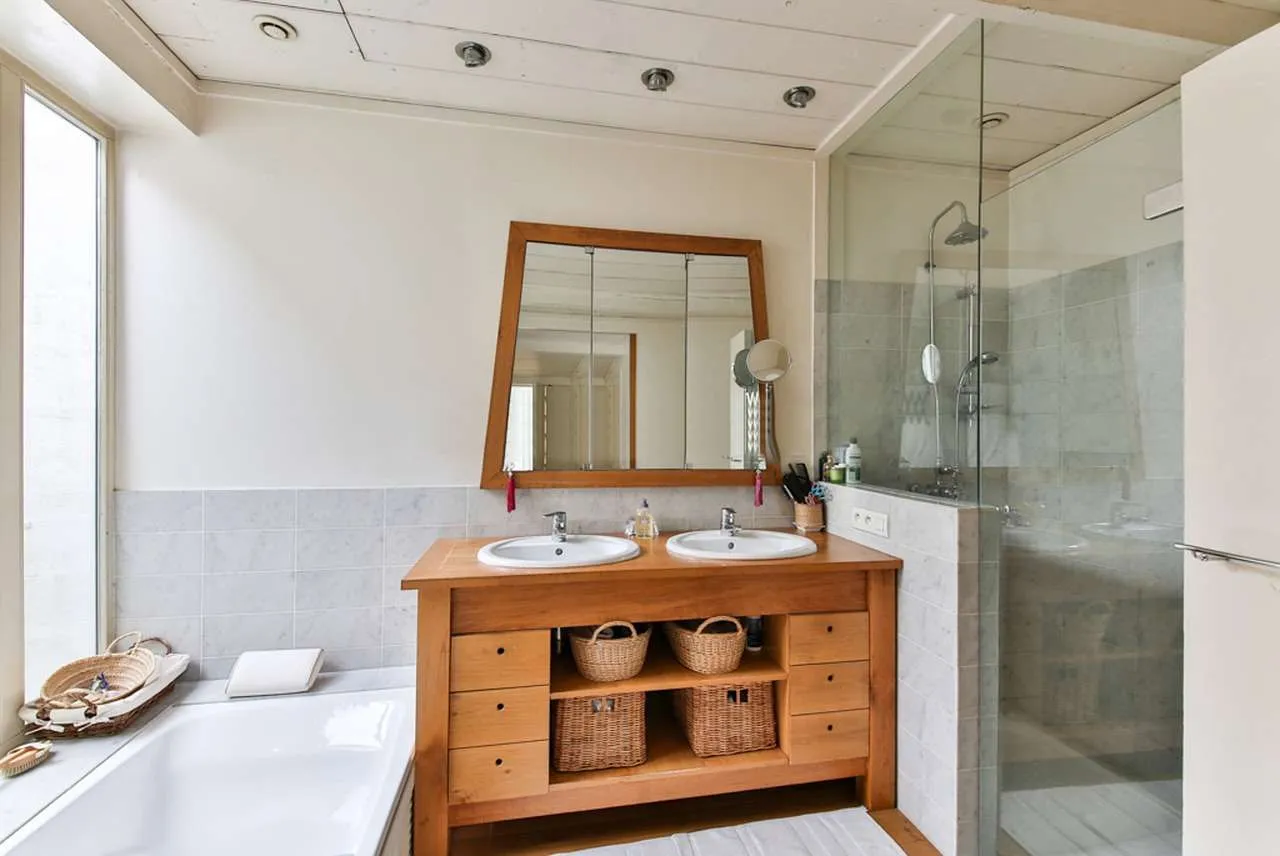
Discover home window tinting near me options, UV protection, energy savings, and trusted local installers.
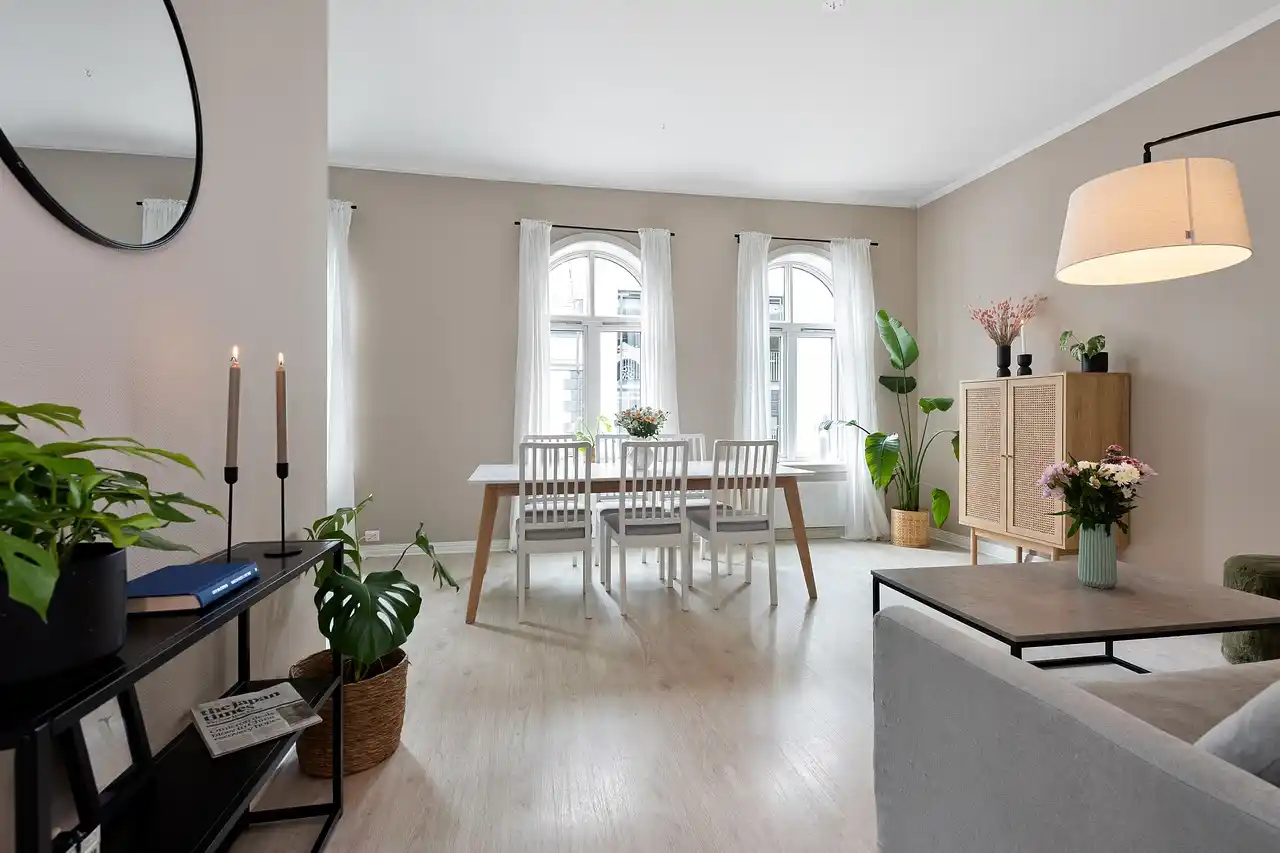
If you are searching for home window tinting near me, you are likely aiming for a cooler home, safer furnishings, and lower energy bills. This guide explains how residential window tinting works, what to look for in a local installer, and how to choose the right film for your climate and lifestyle. With a focus on local expertise and transparency, you can find trusted professionals who deliver lasting results.
What is home window tinting
Residential window tinting adds a thin film to glass to reduce solar heat gain, block UV rays, and manage glare. Films come in finishes from nearly invisible to tinted, and they are designed to perform without distorting your view. The installation is performed by trained technicians who adjust edges, remove air bubbles, and ensure the film adheres evenly to each pane.
Why buy home window tinting near me
Choosing a local installer matters for several reasons. Proximity reduces scheduling friction, allows for quicker warranty service, and supports nearby businesses. Local installers often tailor recommendations to your climate and home orientation, making them better suited to handle east and west sun exposure and seasonal temperature swings.
Key factors when selecting a local installer
To ensure an experience that aligns with EEAT standards, consider the following:
- Licensing and Insurance: Verify that the company is licensed and carries general liability and workers compensation coverage
- Experience and references: Ask how long they have been tinting homes and request recent client references or online reviews
- Warranties and certifications: Seek out manufacturer warranties and installer certifications such as IWFA or factory training
- Film options and customization: Confirm available film lines including dyed, metalized, ceramic, and carbon options, plus any signature finishes
- Measurement and installation quality: Ensure precise measurement, careful surface prep, and clean edge finishes
- Aftercare and maintenance: Get cleaning guidelines, warranty coverage for incidents, and the process for any warranty claims
Common residential window film types
| Type | UV Rejection | Glare Reduction | Privacy | Estimated Price |
|---|---|---|---|---|
| Dyed | Medium | Medium | Low | Low |
| Metalized | High | High | Medium | Medium |
| Ceramic | Very High | Low | High | High |
| Carbon | Very High | Low | High | Medium |
Installation timeline and maintenance
Most residential tint projects are completed in a single day per property, with some additional time for edge finishing and curing. A professional crew will protect surrounding surfaces, perform final cleaning, and provide written aftercare instructions. To maximize longevity, avoid abrasive cleaners and use a soft cloth with mild soap on the film surface during cleaning. Warranties typically cover adhesion and film failure for a number of years, but proper maintenance helps preserve clarity and performance.
Costs and value assessment
Costs depend on square footage, film type, and local labor rates. For smaller homes with standard double pane windows, expect a baseline price for dyed films, with premiums for ceramic or carbon films that offer greater heat rejection and UV protection. A transparent warranty, clear service terms, and post installation support add long term value beyond the initial cost.
Comparison and quotes
When you gather quotes, compare not only price but also the exact film type, total warranty, and the installer’s process. A reputable local firm will provide a written estimate that breaks down materials, labor, and any prep work. Ask to see samples or a demonstration film to assess tint level and clarity under daylight and evening light.
Conclusion, selecting home window tinting near me requires a blend of local expertise, reliable product options, and clear aftercare guidance. By verifying licensing and insurance, reviewing warranties, and understanding film types and installation timelines, you can improve comfort, reduce UV exposure, and lower energy costs with confidence.